Safeguard Your Rights With a Leading Wrongful Eviction Attorney
Managing the challenges of wrongful eviction can be overwhelming. Many individuals may not fully understand their rights or the legal obligations of their lease holders. A skilled wrongful eviction attorney can deliver critical guidance and support in these situations. They can explain the nuances of tenant protections and lessor duties. Learning how to find qualified legal counsel is important. The next steps could substantially determine one's housing stability and legal standing. What should one assess when obtaining legal representation?
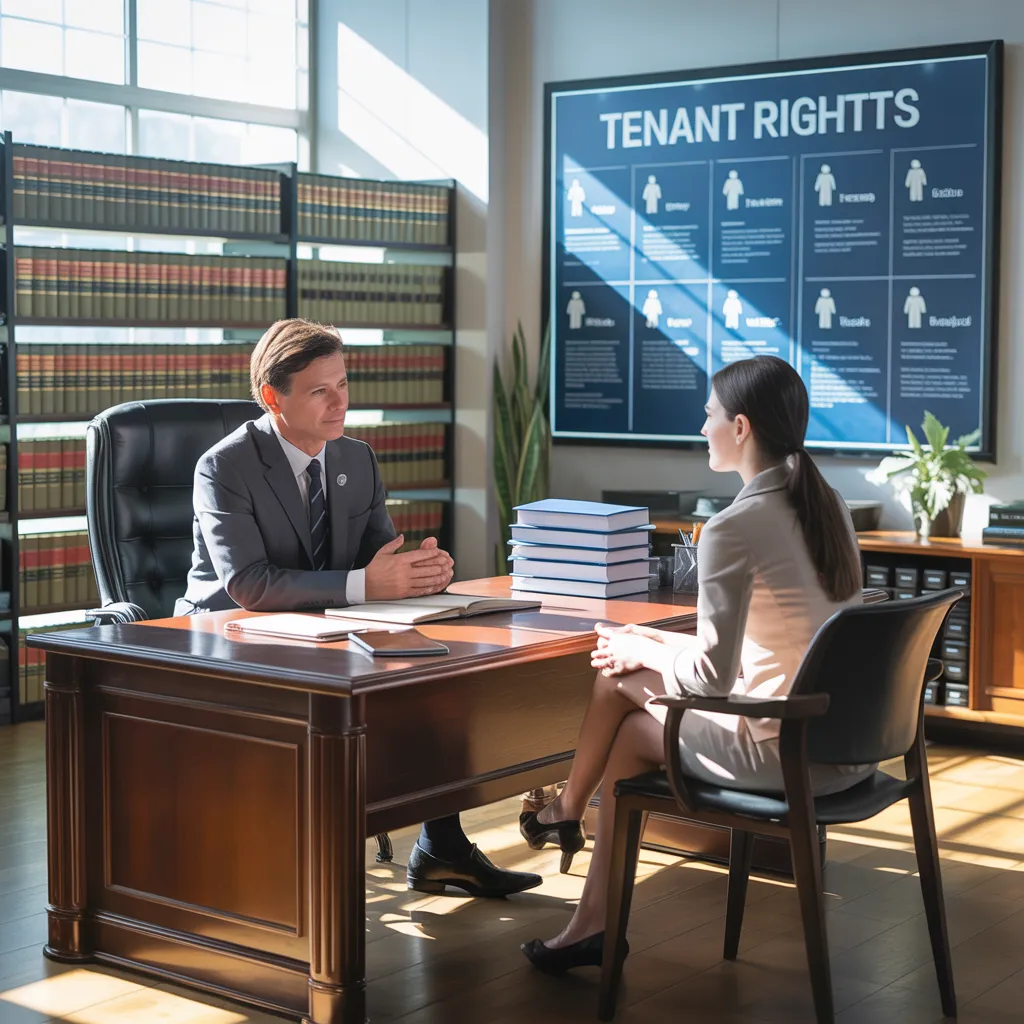
Important Information You Should Be Aware Of Regarding Wrongful Displacement
What constitutes wrongful eviction? Wrongful eviction happens when a landlord unlawfully removes a tenant from a rental property, breaching established laws or lease agreements. This can encompass situations where the landlord neglects proper legal procedures, such as giving adequate notice or securing a court order before eviction. Additionally, wrongful eviction may arise from discriminatory conduct, harassment, or retaliation against tenants exercising their legal rights.
Tenants may also face wrongful eviction if they are evicted without valid reason, particularly in areas that offer protections against such actions. Understanding tenant protections in your area and landlord responsibilities is essential for both parties. Legal avenues exist for tenants who believe they have been illegally removed, including submitting grievances or pursuing damages. Engaging a skilled wrongful eviction lawyer can help tenants navigate these complexities and safeguard their rights effectively.
Red Flags You Could Be Undergoing Wrongful Eviction
Detecting the signs of possible wrongful eviction can allow tenants to take proactive measures to protect their rights. One obvious indicator is getting a notice to vacate without a valid reason or prior communication. Furthermore, if a landlord threatens eviction without following legal procedures, it could be a sign of wrongful eviction. Tenants should also be cautious about sudden rent spikes, especially if they come with eviction threats, since this might be an intimidation tactic.
An indicator is if the landlord neglects the property, thus establishing an unsafe living environment, which can cause retaliation against tenants who complain. Moreover, unexpected changes in lease terms or refusal to renew a lease without justification can also indicate wrongful eviction. Recognizing these signs is vital for tenants to protect their housing stability and obtain appropriate legal counsel if needed.
The Manner a Premier Attorney Can Support With Wrongful Eviction Claims
A premier attorney brings invaluable courtroom proficiency to disputes of unjust removal, making certain that residents understand their legal protections. They adeptly work through intricate legal frameworks that often complicate removal procedures, offering clarity and guidance. By forging strong legal strategies, these specialists can effectively advocate for their clients and champion accountability.
Legal Knowledge Matters Above All
While tackling the obstacles of a wrongful eviction can be difficult, the proficiency of a top counsel can significantly affect the outcome. Experienced attorneys hold a range of knowledge regarding tenant protections and owner responsibilities, ensuring that clients understand their legal standing. They can assess case particulars, spot potential violations, and develop persuasive arguments to back the tenant's case. Moreover, a experienced attorney is proficient at negotiating with landlords or their agents, frequently reaching favorable settlements without the need for extended court battles. In court, their experience can be invaluable, as they understand how to showcase evidence persuasively and refute opposing arguments. Ultimately, having a top wrongful eviction attorney can be the deciding factor between a successful resolution and prolonged distress.
Maneuvering through Complex Regulations
Moving through the complex landscape of housing regulations can burden many tenants encountering wrongful eviction. These regulations, often intricate and dense, vary greatly by jurisdiction, making it difficult for individuals to understand their rights and obligations. A top wrongful eviction lawyer has the expertise needed to interpret these laws effectively. They can detect violations that may have occurred during the eviction process, ensuring that tenants are aware of their legal standing. Additionally, an experienced lawyer can guide tenants through the necessary documentation and procedures required to challenge an eviction. This support not only strengthens tenants but also enhances their chances of a positive result in their legal battles, providing essential protection against unjust housing practices.
Constructing Effective Law Tactics
Building robust legal approaches is crucial for tenants facing wrongful eviction, and a seasoned lawyer plays a key role in this matter. A well-informed legal professional evaluates the specifics of the case, pinpointing any breaches of tenant rights or breaches of lease terms. They collect evidence, such as lease documents and correspondence files, to construct a compelling argument. Additionally, a lawyer can effectively navigate local laws and regulations, ensuring that all statutory procedures are followed. They also offer advocacy in negotiations or court proceedings, championing the renter's needs. By crafting a tailored legal strategy, the legal representative enhances the chances of a positive result, ultimately protecting the renter's protections and securing their housing stability.
Deciphering Wrongful Eviction Court Guidelines
Understanding the specific legal reasons that can justify eviction and the procedural steps that must be followed is essential to the unlawful eviction court procedure. Tenants confronting eviction must be conscious of their rights and the legal safeguards accessible to them. Maneuvering through this process successfully requires knowledge of both the laws governing eviction and the required actions to challenge an unlawful removal.
Legitimate Grounds for Eviction
Eviction can be a important legal step for landlords, but understanding the grounds for wrongful eviction is critical for both tenants and property owners. Wrongful eviction usually occurs when landlords attempt to remove tenants without legal justification. Common legal grounds for eviction include nonpayment of rent, violation of lease agreements, or participating in illegal activities on the property. However, landlords must adhere to specific legal procedures to terminate a lease, such as issuing proper notice. Evictions based on discrimination or retaliation against tenants for exercising their rights also are considered wrongful eviction. Knowledge of these legal grounds protects tenants' rights and ensures landlords follow lawful practices during the eviction process.
Steps in the Procedure
Navigating the illegal eviction litigation procedures involves many paramount steps that both tenants and landlords must be aware of. Initially, tenants should document all relevant dialogue and tenancy agreements, developing a transparent timeline of events. They may then file a objection in the fitting court, outlining the rationale for contesting the eviction. Next, both parties will be part of a hearing where supporting documentation and narratives are presented. After the ruling, if the tenant prevails, they may request compensation for damages for losses incurred. Conversely, landlords can file an appeal if they maintain the decision was inequitable. Throughout this process, bringing on a knowledgeable wrongful eviction legal counsel can provide necessary recommendations, ensuring that rights are upheld and legal obligations are met effectively.
Guidelines for Locating the Best Wrongful Eviction Lawyer
How might one identify the most suitable wrongful eviction attorney? First, potential clients must examine the attorney's experience and expertise in landlord-tenant law. A proven track record in handling wrongful eviction cases can indicate a deeper understanding of relevant laws and procedures.
Finally, requesting recommendations or reviewing client reviews can offer understanding into the attorney's standing and success rate. Communication skills are also essential; the attorney should be accessible, responsive, and able to explain complex legal concepts clearly.
In addition, analyzing the attorney's billing approach confirms that services are economical and candid. A capable attorney should present a explicit statement of charges and foreseeable outcomes.
To summarize, a initial meeting can help build mutual understanding and confidence, which are crucial for a cooperative legal partnership. By applying these criteria, people can take educated choices when selecting the best wrongful eviction attorney for their needs.
Why Acting Quickly Is Important in Illegal Eviction
Acting without delay in wrongful eviction cases is necessary for safeguarding your rights and obtaining favorable results. Waiting to act can result in the loss of critical evidence and witness statements, which are essential for constructing a powerful case. Furthermore, statutory deadlines, including statutes of limitations, may constrain the period to submit a claim.
Engaging a wrongful eviction lawyer promptly provides an tenant the greatest number of options, such as negotiations or initiating an court order to stop the eviction process. Quick measures also demonstrates to judicial bodies and landlords that the resident is serious about upholding their rights.
Additionally, timely consultation with qualified attorneys supports a full grasp of local landlord-tenant laws, which can deeply affect the case's trajectory. In summary, proceeding quickly not only strengthens the chances of a favorable resolution but also defends the tenant's legal rights throughout the eviction process.
Frequently Asked Questions
What Represent the Frequent Factors of Unlawful Eviction Claims?
Common causes for improper eviction lawsuits include lack of proper notice, retaliatory actions by property owners, prejudicial treatment, non-compliance with proper legal processes, and removing tenants mid-lease without legitimate cause, each undermining tenant rights and protections.
Can I take legal action against my landlord for emotional distress following eviction?
Yes, an individual can sue their landlord for psychological harm after removal from the property. However, establishing psychological suffering requires significant proof, showing that the landlord's conduct were intentional or negligent and directly resulted in severe psychological damage.
What is the Timeline for Submitting a Wrongful Eviction Lawsuit?
Generally, individuals have between one to three years to file a wrongful eviction claim, according to state laws. Timely action is prudent to secure the preservation of rights and likely compensation of damages.
What Evidence Do I Need to Support My Illegal Eviction Case?
To reinforce a illegal corresponding information eviction case, one requires documentation such as lease agreements, rental payment history, eviction notices, landlord communications, photographs of the property, and testimonial evidence detailing the eviction circumstances and any significant exchanges.
Must I Go to Court for a Unlawful Eviction Claim?
Generally, pursuing a improper eviction claim may necessitate court participation, as legal proceedings often facilitate the settlement of disputes. However, some cases may settle outside of court through negotiation or mediation, based on circumstances.